
Quick answer
The best time of year for Sharm El Sheikh diving runs from March through May and September through November. During these shoulder seasons, water temperatures range from 23°C to 27°C, horizontal visibility frequently exceeds 30 meters, and northerly winds remain light. Summer months bring warmer water but occasional afternoon winds, while winter offers excellent visibility despite cooler temperatures around 21°C that require thicker exposure protection.
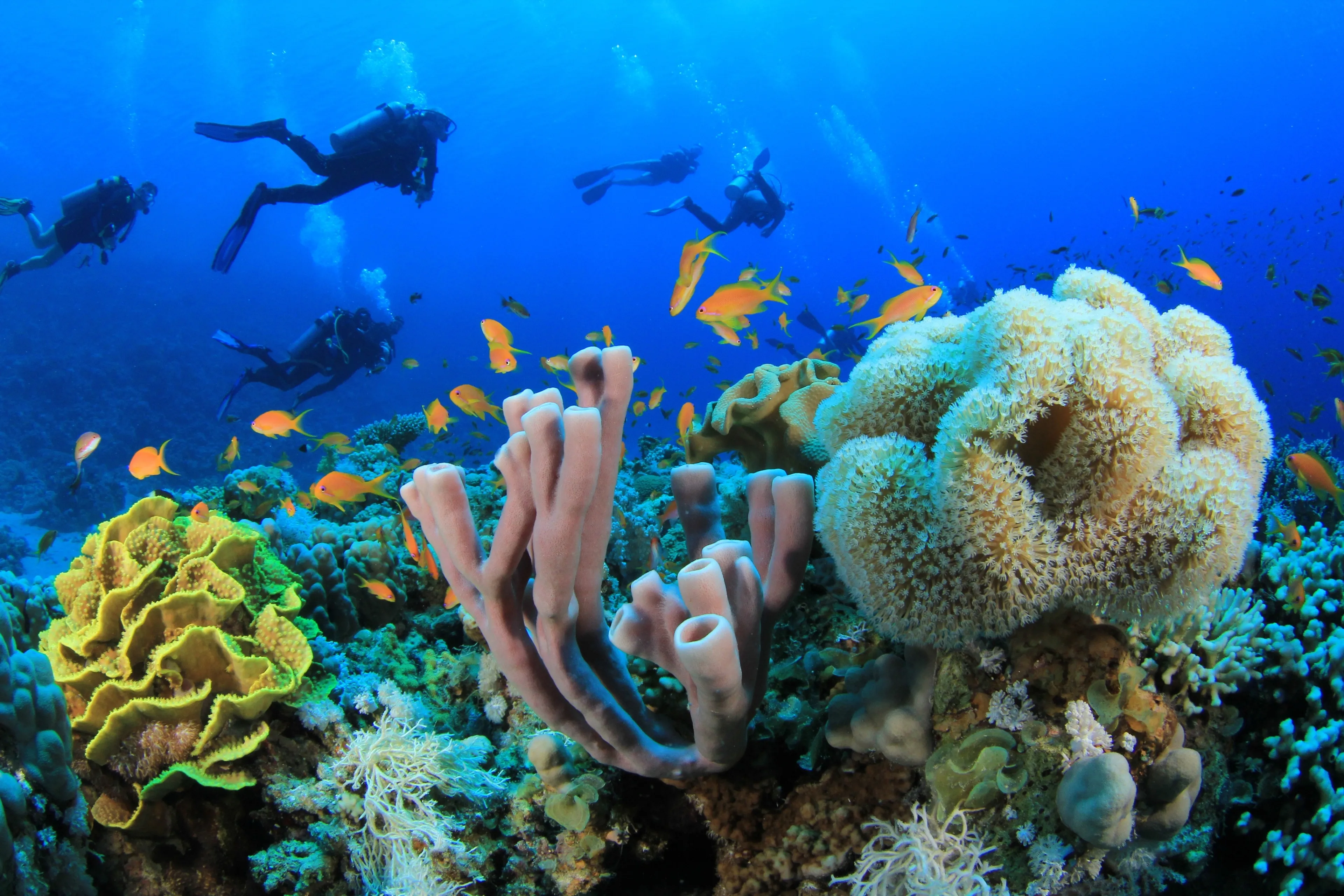
Water temperature in the northern Red Sea follows a predictable annual curve that shapes every aspect of dive planning. Winter months from December through February bring the coolest conditions, with thermoclines occasionally dropping below 21°C at depth, demanding 5mm wetsuits or thicker for multi-dive days. Spring marks the transition period when surface temperatures climb steadily from 22°C in March toward 26°C by late May, while visibility remains exceptional as plankton blooms have not yet peaked. The sharm el sheikh diving best time of year aligns with biological cycles as much as physical conditions. Pelagic species including manta rays and whale sharks follow seasonal migration patterns, with mantas most reliably encountered at cleaning stations from May through August and whale sharks occasionally appearing from June onward. Reef fish spawning aggregations peak during summer full moons, drawing photographers despite water temperatures that can exceed 29°C and require only 3mm suits or shorties. Macro enthusiasts target autumn months when nudibranchs, frogfish, and juvenile fish populate shallow reefs. Wind patterns exert the strongest influence on daily dive operations. The Gulf of Aqaba's orientation creates a natural wind tunnel, with northerly gusts intensifying during afternoon hours throughout summer. Spring and autumn shoulder seasons deliver the calmest surface conditions, allowing reliable access to exposed northern sites including the Thistlegorm wreck and Ras Mohammed's vertical walls. Winter storms remain infrequent but can ground boats for one to three days when low-pressure systems track across the Mediterranean. Dive site selection expands during optimal months when both protected southern reefs and current-swept northern pinnacles remain accessible on the same day. Protected house reefs at Naama Bay and Sharks Bay offer reliable alternatives during marginal conditions year-round, but the full spectrum of Sinai dive sites from the Straits of Tiran to the Brothers Islands requires the stable weather windows that define spring and autumn as premier diving seasons in this region.
“Spring and autumn shoulder seasons deliver the calmest surface conditions, allowing reliable access to exposed northern sites including the Thistlegorm wreck and Ras Mohammed's vertical walls.”
When Is the Sharm El Sheikh Diving Best Time of Year?
The period from April to June and September to November offers the most balanced conditions for diving, providing moderate air temperatures and optimal water visibility. These months avoid the extreme heat of mid-summer and the cooler winter water temperatures, ensuring comfortable diving conditions throughout the day.
April–June
Moderate25°C–32°C air; 23°C–26°C water
Spring brings stable conditions and high visibility, ideal for observing reef activity. Large pelagics are often active during this transition.
July–August
High33°C–40°C air; 27°C–29°C water
Air temperatures peak during these months. Diving remains comfortable due to warm water, though surface intervals require shade.
September–November
Moderate28°C–35°C air; 26°C–28°C water
Autumn is widely considered the prime window. The water remains warm from the summer while air temperatures become more temperate.
Daily Window (08:00–10:00)
Low—
Arriving during the best arrival window of 08:00–10:00 ensures optimal visibility and cooler temperatures before the midday heat intensity.
Verdict: The best diving experience occurs during the months of October or May, specifically targeting the best arrival window of 08:00–10:00 to maximize underwater visibility and surface comfort.
Operational Hours for Sharm El Sheikh Diving Best Time of Year
Diving operations in Sharm El Sheikh remain accessible daily to accommodate various maritime logistics and schedules. While the region allows for 24-hour activity, guests are advised to coordinate with their chosen operator for specific dive boat departures.
| Monday | 00:00–23:59 | |
|---|---|---|
| Tuesday | 00:00–23:59 | |
| Wednesday | 00:00–23:59 | |
| Thursday | 00:00–23:59 | |
| Friday | 00:00–23:59 | |
| Saturday | 00:00–23:59 | |
| Sunday | 00:00–23:59 |
Costs and Fees: Sharm El Sheikh Diving Best Time of Year
There is no public entrance fee for diving in Sharm El Sheikh. Costs for diving activities are determined independently by licensed operators and specific marine park permit requirements.
While there is no public entrance fee, total costs depend on the services selected from independent operators and any necessary marine park permits.
Logistics and Prep: Sharm El Sheikh Diving Best Time of Year
Dive trips require specific certifications, medical clearance, and gear decisions made well before departure.
-
Confirm PADI or SSI certification is current — Operators require valid proof; expired cards mean classroom refreshers
-
Check dive medical clearance if over 40 — Red Sea operators enforce age-related medical forms for liability
-
Book your dive operator 2–4 weeks ahead — Peak months (March–May, September–November) fill quickly
-
Decide rental vs. own regulator and BCD — Rental gear is widely available; serious divers prefer familiar equipment
-
Pack reef-safe sunscreen and rashguard — Egyptian marine parks prohibit chemical sunscreens at protected sites
-
Bring logged dives and nitrox cert if applicable — Advanced sites and liveaboards verify experience level
-
Arrive by 08:00–10:00 for morning dives — Optimal visibility and cooler temperatures before midday heat
Arrival Routes for Sharm El Sheikh Diving Best Time of Year
Sharm El Sheikh is located in South Sinai, Egypt, with the primary access point being Sharm El Sheikh International Airport. Visitors typically reach local dive centers via pre-arranged transfers, taxis, or private transport.
Sharm El Sheikh International Airport to Naama Bay or central dive zones
Private transfer via Peace Road
Local microbus to central diving hubs
Check availability
FAQs: Sharm El Sheikh Diving Best Time of Year
Everything you need to know about sharm el sheikh diving best time of year