Quick answer
Sharm El Sheikh diving spots operate daily from 07:00 to 17:00, with a 7 EUR conservation fee collected per person per day. Ras Mohammed National Park anchors the region's dive sites, and early morning departures between 07:00 and 09:00 deliver the clearest visibility and lightest boat traffic. Most operators run two-tank trips, and the Tiran Strait reefs lie roughly 90 minutes by boat from the marina.
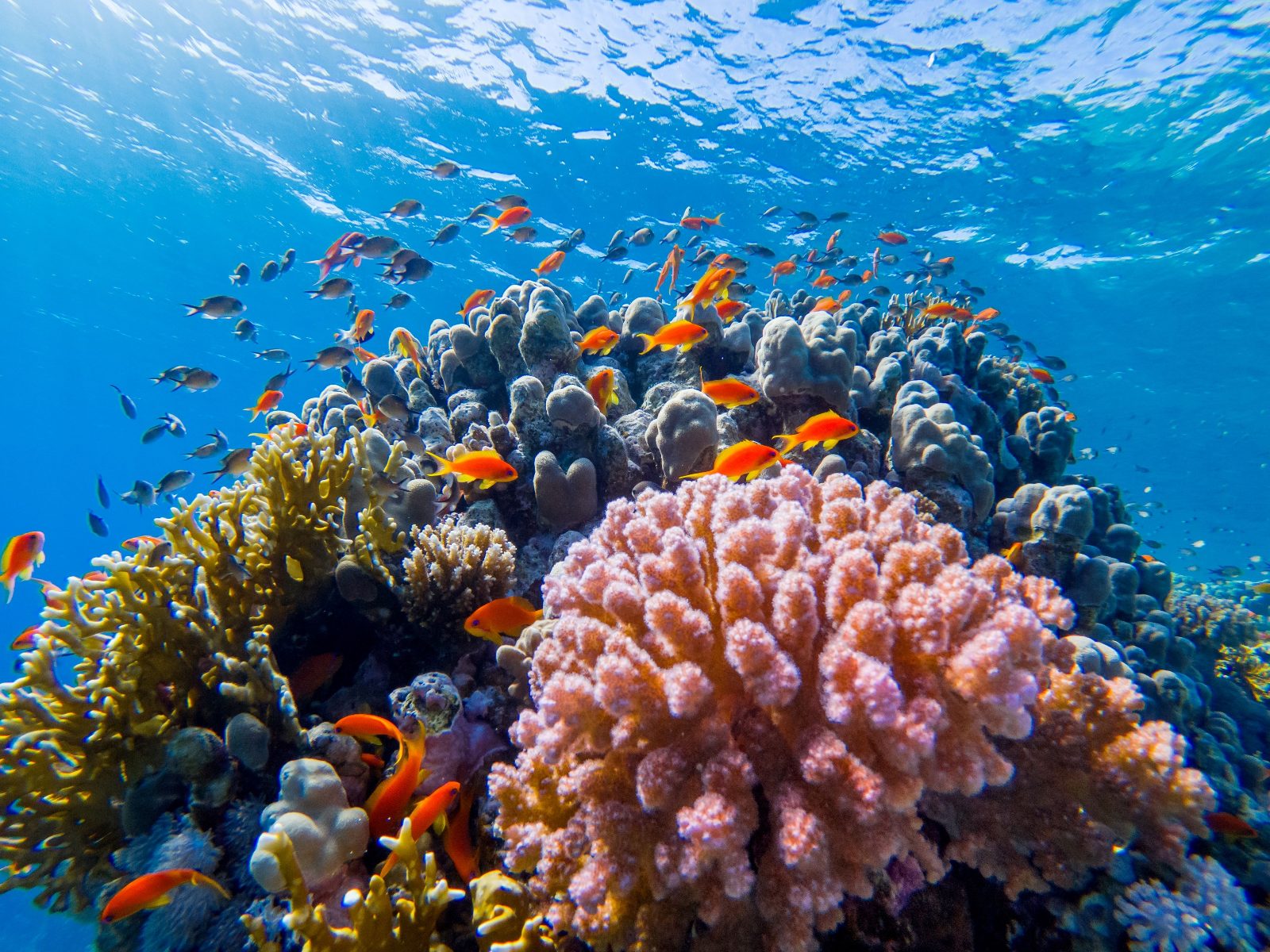
Ras Mohammed National Park sits at the confluence of the Gulf of Suez and the Gulf of Aqaba, where tidal currents funnel nutrient-rich water through narrow channels and sustain coral walls that drop beyond recreational limits. Shark Reef and Yolanda Reef form the park's signature double-pinnacle system: the former cascades vertically to sand flats at 25 meters, the latter carries the scattered cargo of a 1980 freighter wreck across its southern slope. Barracuda, jackfish, and grey reef sharks patrol the current lines, and the sheer density of marine life explains why the Egyptian Environmental Affairs Agency designated the area as a protected zone in 1983. The SS Thistlegorm wreck lies in open water between the Sinai coast and the Gubal Islands, resting upright at 30 meters after a 1941 Luftwaffe bombing. The cargo holds still contain motorcycles, trucks, and munitions, and penetration routes through the engine room and upper decks attract advanced divers. Surface intervals between dives often anchor near Ras Mohammed's mangrove channels, where juvenile fish shelter in root systems visible from the boat. Northern exposure to Tiran Island opens four named reefs—Jackson, Woodhouse, Thomas, and Gordon—each marked by a navigational light and steep outer walls. Jackson Reef's plateau holds hard coral gardens between 5 and 15 meters, and the Lara wreck sits tilted on its northern edge. Current strength varies with lunar phase and wind direction, and dive operators typically select sites based on real-time surface conditions rather than fixed itineraries. The sharm el sheikh diving spots cater to certification levels from Open Water to technical trimix, and liveaboard vessels extend range to the Brothers Islands and Daedalus Reef when weather permits. Conservation fees fund mooring buoy systems that eliminate anchor damage, and the national park prohibits fish feeding, coral touching, and single-use plastics aboard permitted vessels. Most dive centers include the fee in trip pricing, and operators hold permits renewed annually by park authorities. The Egyptian Diving and Water Sports Federation maintains a hyperbaric chamber in Sharm El Sheikh, and the nearest facility capable of treating decompression illness sits 15 minutes from the marina district.
“Shark Reef and Yolanda Reef form a double-pinnacle system where tidal currents sustain coral walls that drop beyond recreational limits.”
Conservation Fees for Sharm El Sheikh Diving Spots
Access to diving spots within protected areas requires a mandatory conservation fee. This daily charge supports the preservation and maintenance of the marine environment.
A typical adult pays 7 EUR per day, with the final cost dependent on the number of days spent diving in protected zones.
Daily Operational Hours at Sharm El Sheikh Diving Spots
Diving spots within the protected areas of the Sinai Peninsula, including Ras Mohammed National Park, operate on a consistent daily schedule to facilitate access for registered dive vessels.
| Monday | 07:00–17:00 | |
|---|---|---|
| Tuesday | 07:00–17:00 | |
| Wednesday | 07:00–17:00 | |
| Thursday | 07:00–17:00 | |
| Friday | 07:00–17:00 | |
| Saturday | 07:00–17:00 | |
| Sunday | 07:00–17:00 |
Accessing Sharm El Sheikh Diving Spots and Marine Parks
Most diving spots in Sharm El Sheikh, including Ras Mohammed National Park, are located offshore and require boat-based access. Visitors typically depart from the main marinas in Sharm El Sheikh, such as Travco Marina or Naama Bay, via organized dive boats.
Travel to Sharm El Sheikh marinas (e.g., Naama Bay or Port Ghalib)
Boat transfer from marina to dive sites
Drive to marina parking areas
Environmental Conduct Rules at Sharm El Sheikh Diving Spots
The Red Sea coral reefs are protected ecosystems requiring strict adherence to conservation protocols. Following these environmental conduct rules preserves marine biodiversity and ensures diving access remains sustainable.
Do
- Maintain neutral buoyancy to avoid accidental reef contact
- Secure all equipment and gear before entering the water
- Use reef-safe sunscreen without oxybenzone or octinoxate
- Report any injured marine life to dive center staff
- Keep at least one meter distance from all coral formations
- Dispose of waste in designated receptacles on your boat
Don't
- Touch, stand on, or break any coral formations
- Feed fish or alter natural wildlife behavior
- Collect shells, coral fragments, or marine specimens
- Wear gloves that encourage touching reef structures
- Chase, corner, or harass sea turtles and dolphins
- Anchor boats outside designated mooring zones in protected areas
Check availability
Frequently asked questions about sharm el sheikh diving spots
Everything you need to know about sharm el sheikh diving spots