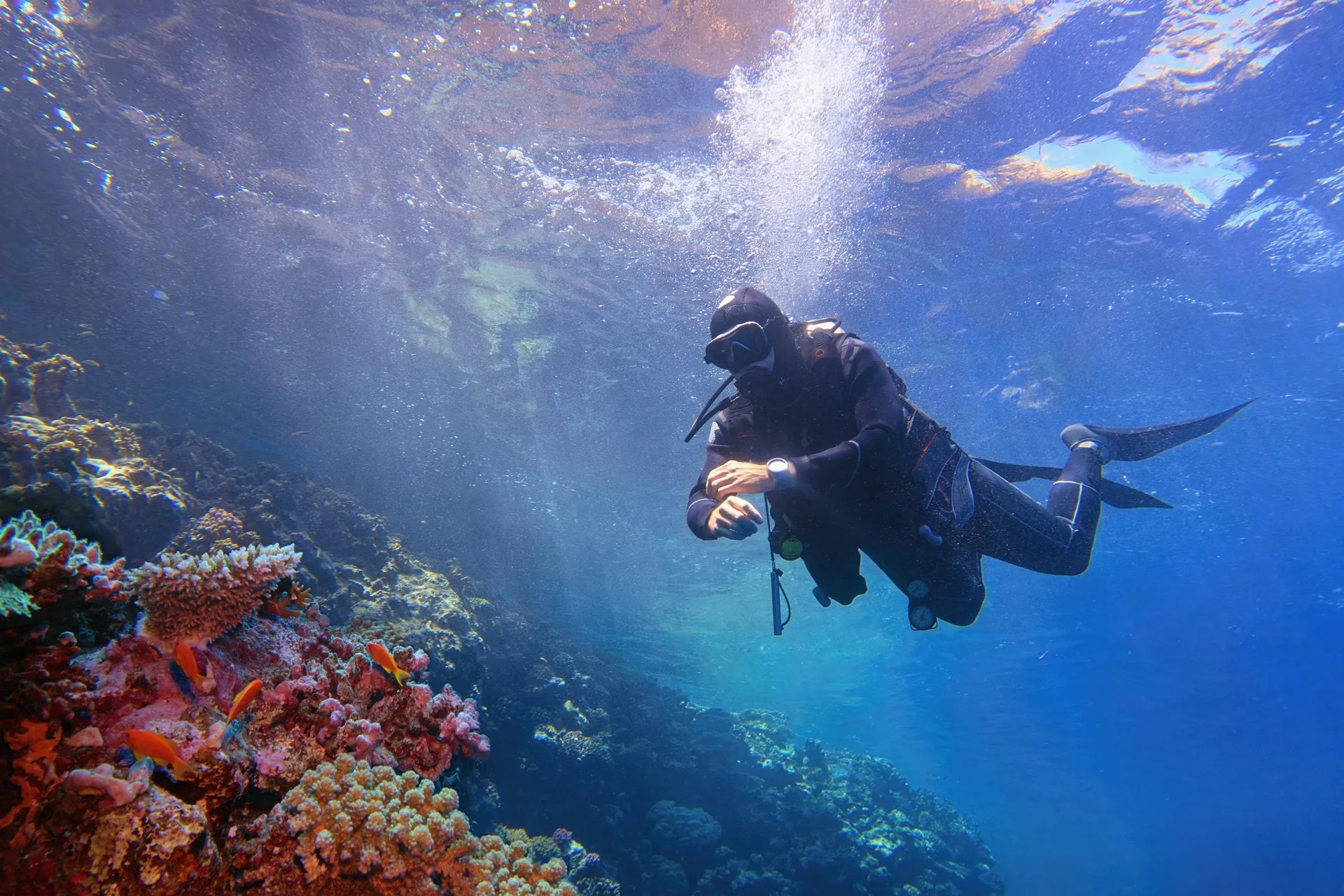
9 hr
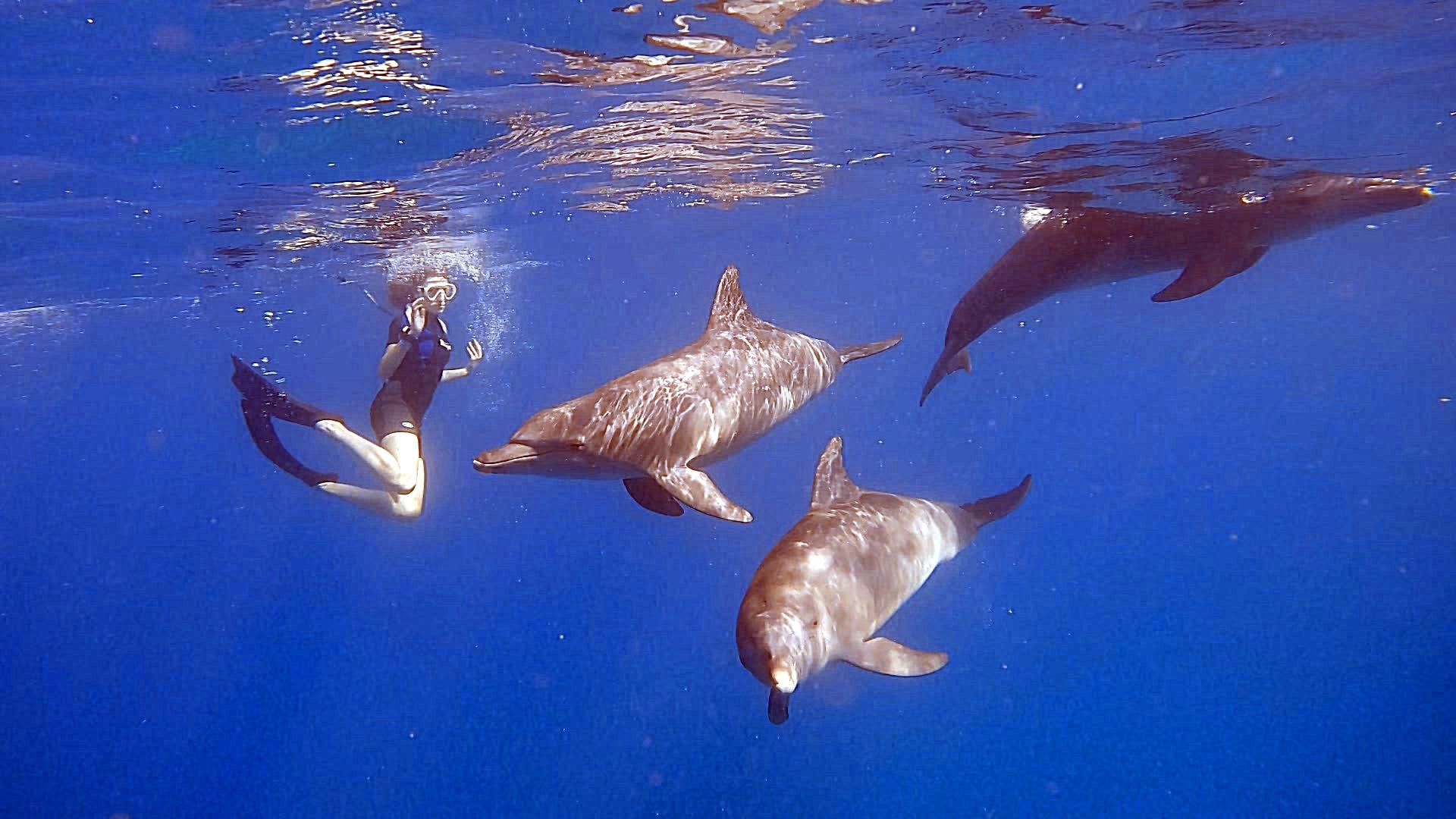
Ras Mohamed & White Island Snorkeling Adventure with Lunch
- Expert local guide
- Small group
- Skip-the-line access
- Free cancellation
Sharm El Sheikh Technical Diving — Deep Wrecks & Advanced Red Sea Sites
Beyond recreational limits, where trimix replaces air and decompression stops become ritual
Compare fares, pick the fit — all bookings are mobile-voucher and eligible for free cancellation where shown.
9 hr
8 hr
8 hr
| Experience | Duration | Rating | Pickup | Lunch | Skip-the-line | Guide | Price | |
|---|---|---|---|---|---|---|---|---|
|
Guided Experience
Most popular
Ras Mohamed & White Island Snorkeling Adventure with Lunch
|
9 hr | ★ 4.8 | ✓ | ✓ | ✓ | ✓ | $29 | Book → |
|
Guided Experience
Ras Mohamed & White Island Snorkeling and Diving Day Trip
|
8 hr | ★ 4.9 | ✓ | ✓ | ✓ | ✓ | €36 | Book → |
|
Guided Experience
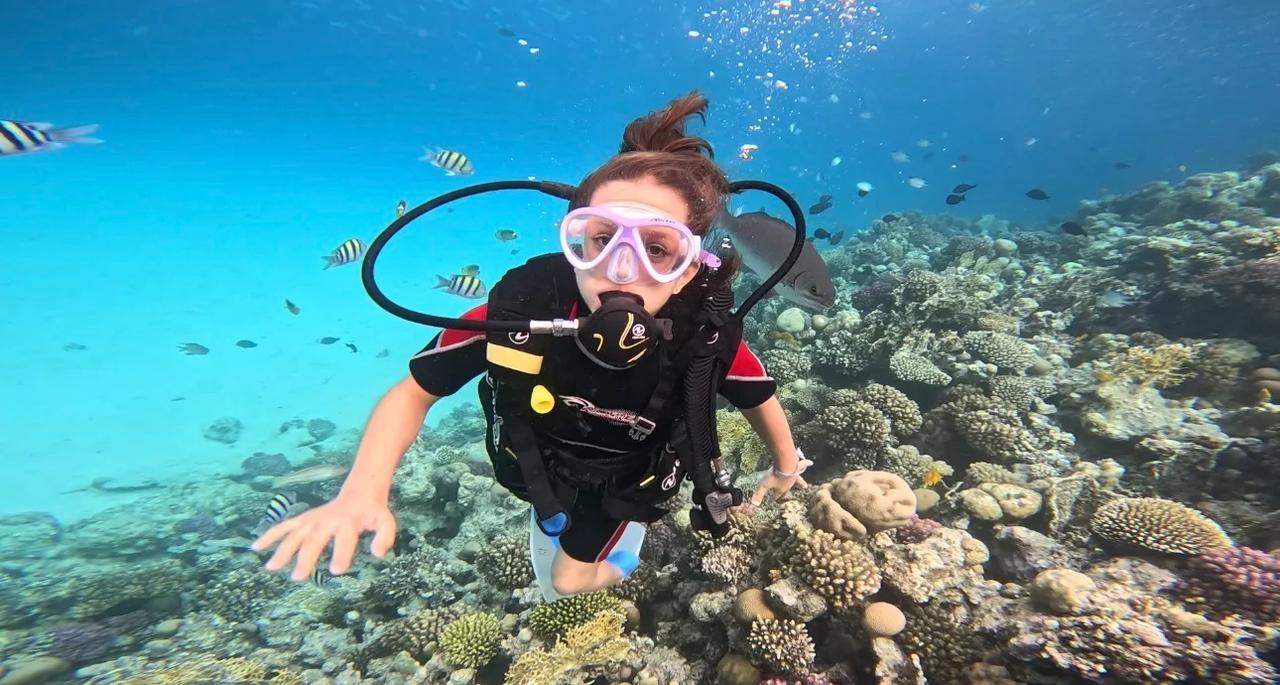
Red Sea Intro Diving Experience with Two Dive Sites
|
8 hr | ★ 4.8 | ✓ | ✓ | ✓ | ✓ | $52 | Book → |
Worth it for certified tech divers only
Sharm el sheikh technical diving demands advanced certification, specialized equipment rental, and dive insurance that recreational packages don't require—yet the bookable options here focus on recreational experiences like the Red Sea Intro Diving Experience and Ras Mohamed snorkeling trips. True technical diving at Thistlegorm wreck (30+ meters) or deeper Ras Mohammed walls requires trimix certification and costs €150–250 per dive through specialized operators, far exceeding the 7 EUR conservation fee. Recreational divers get 90% of the Red Sea's appeal—vibrant coral gardens, abundant reef fish, and comfortable depth profiles—through standard sharm el sheikh technical diving tours at a fraction of the cost. The investment pays off only if you hold Tec 45 or equivalent credentials and specifically want penetration dives or decompression-required walls. For everyone else, the region's recreational sites deliver better value without the gear complexity or extended surface intervals technical protocols demand.
Bottom line: Certified tech divers gain access to the Red Sea's most dramatic depths, but recreational sharm el sheikh technical diving tickets offer better value for the majority of visitors.
They complement each other, but most visitors who do both find that the boat-based exploration of the Red Sea in Sharm contrasts sharply with the accessible canyon topography of Dahab. Booking sharm el sheikh technical diving tours provides a professional maritime infrastructure that differs significantly from the relaxed coastal environment of its neighbor.
|
Top pick Sharm El Sheikh |
Dahab | |
|---|---|---|
| Primary access method | Boat transit to offshore sites | |
| Depth and terrain profile | Vertical walls and open sea drop-offs | |
| Shore vs Boat accessibility | Primarily boat-based entry | |
| Required skill level | Advanced technical certification required | |
| Logistical requirements | High dependency on support vessels | |
| Infrastructure focus | Deep wreck and reef exploration | |
| See tickets & prices |
Verdict: Choose sharm el sheikh technical diving tickets if you prefer deep-water wreck access and boat-supported expedition logistics, while selecting Dahab offers a superior experience for shore-based technical training and canyon systems.
Hand-picked experiences loved by thousands of travelers
6 hours
Free Cancellation
Sail to Tiran Island's pristine reefs for snorkeling, diving, and a delicious onboard buffet lunch
7 hours
Free Cancellation
Explore vibrant coral reefs with two beginner dives or snorkeling stops, including buffet lunch on board
9 hours
Free Cancellation
Explore three pristine Red Sea reef sites with optional scuba diving and snorkeling at Tiran Island
7 hours
Free Cancellation
Explore vibrant coral reefs with guided dives or snorkelling at two pristine Red Sea sites
7 hours
Free Cancellation
Explore stunning coral reefs on two guided dives with lunch, equipment, and Hurghada hotel transfers included
7 hours 30 minutes
Free Cancellation
Sail the Red Sea on a premium yacht with intimate groups, snorkeling, optional diving, and lunch
3 hours
Free Cancellation
Shore-based Red Sea diving for beginners with personalized instruction and vibrant coral exploration
2-4 days
Free Cancellation
Earn your scuba certification in the Red Sea with expert instruction, equipment, and six dives included
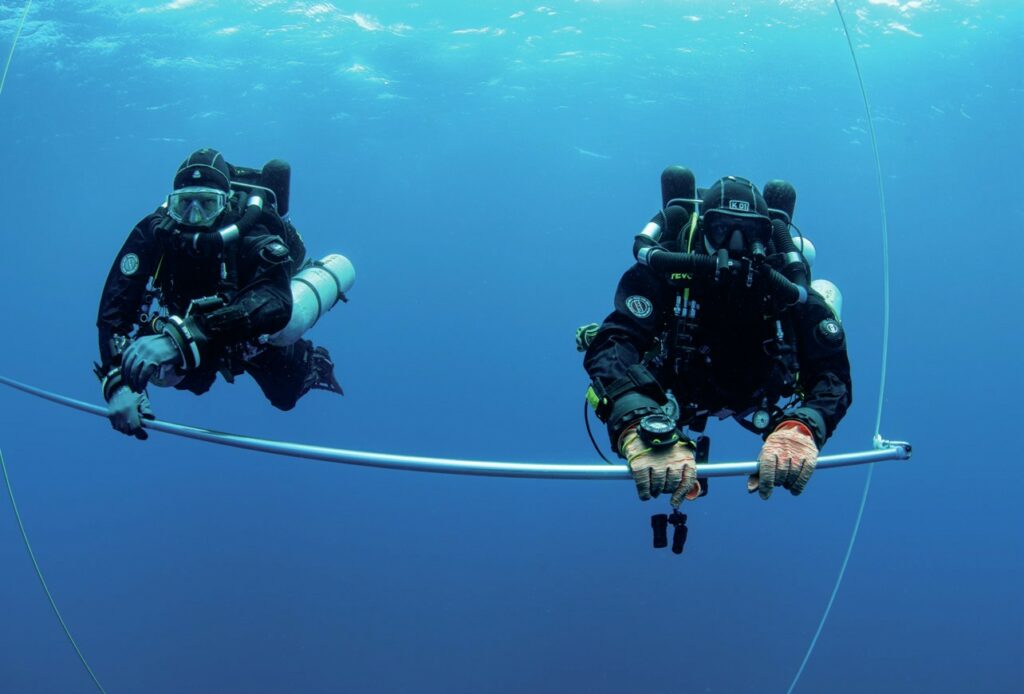
Technical equipment setup and gas analysis
Decompression planning and team protocols
Deep site exploration at Ras Mohammed
Gas fills and logbook recording
Reef traversal or wreck survey
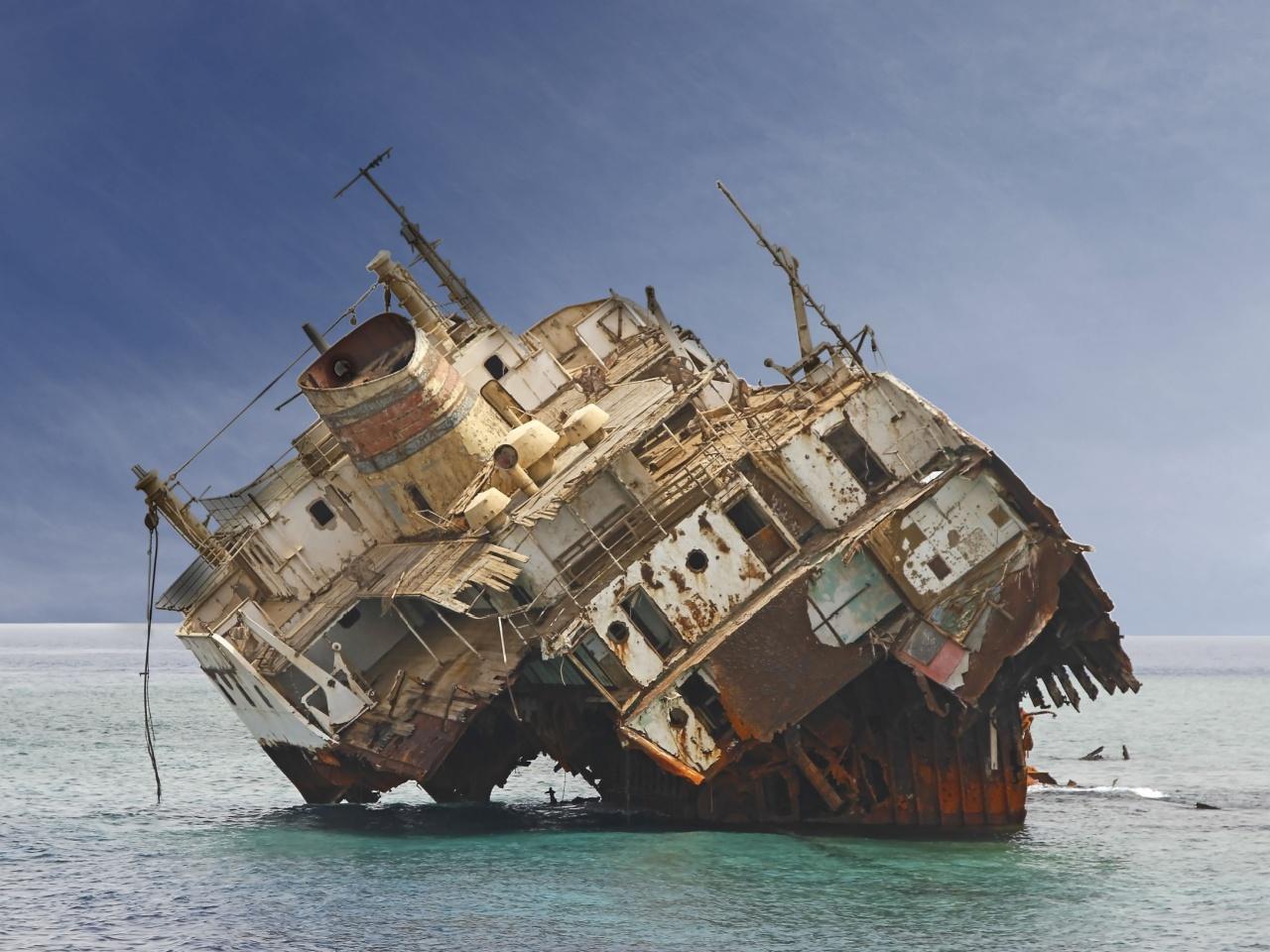
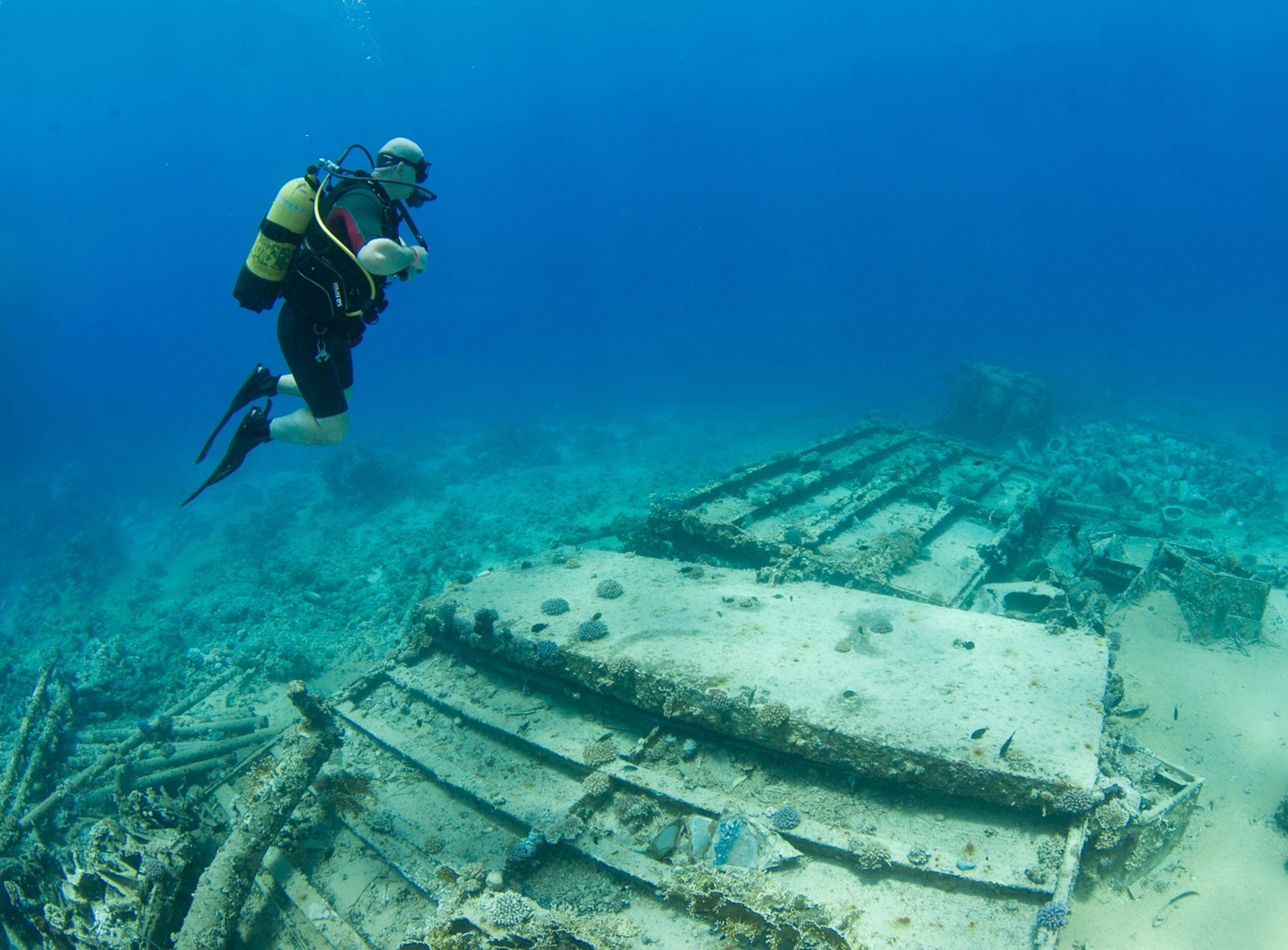
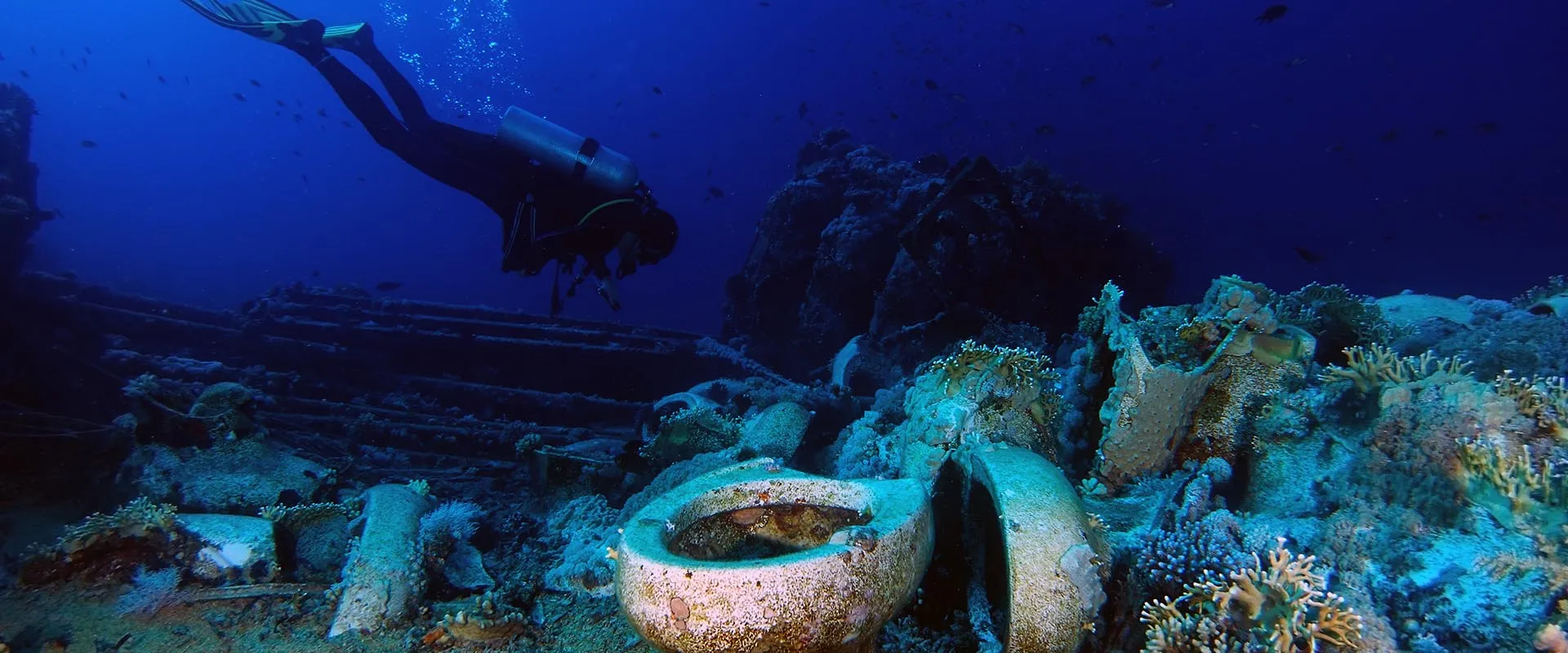
Fragments of the vessel remain at depth and serve as a training ground for deep profiles.
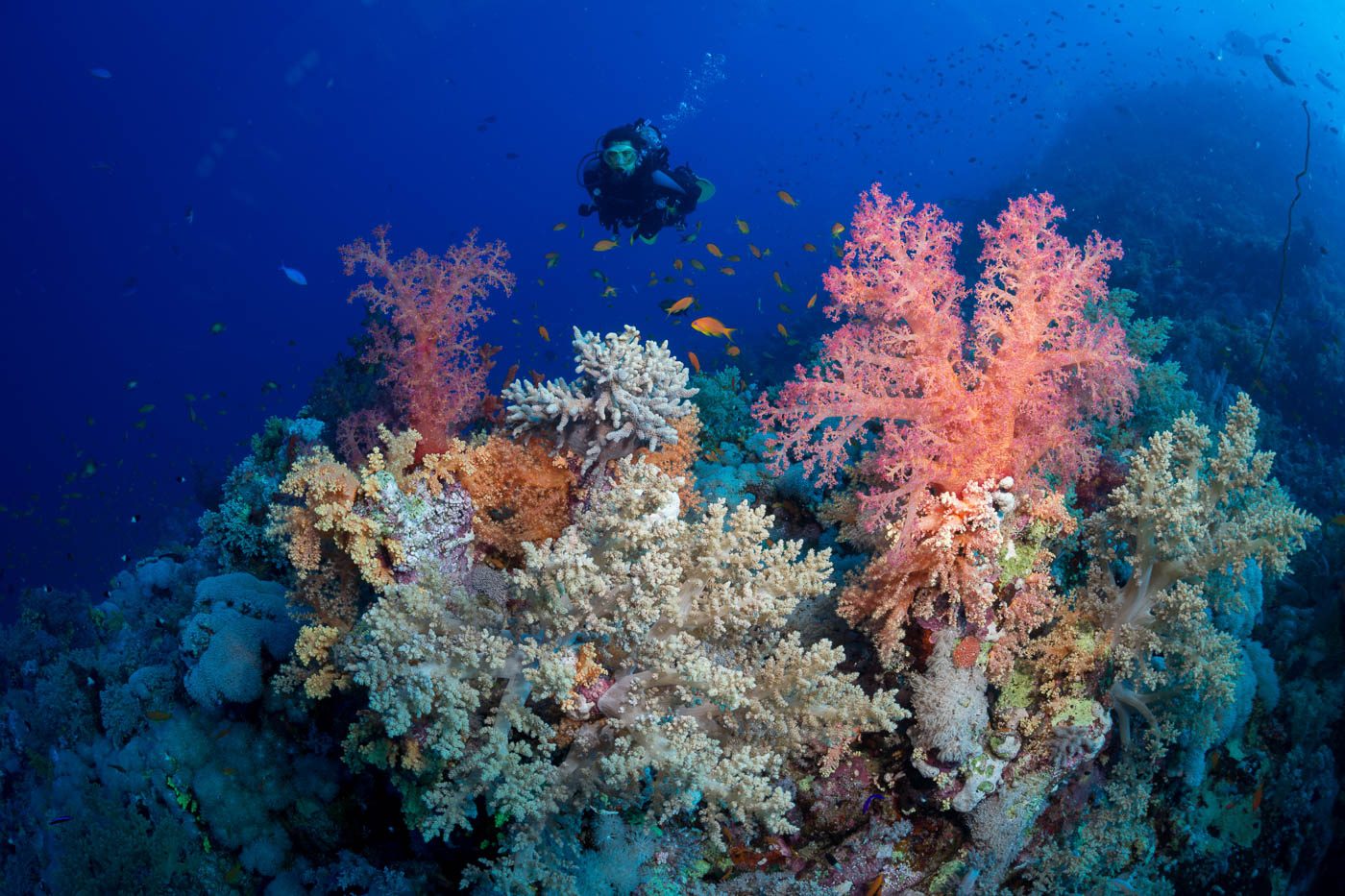
This vertical drop-off features soft corals and consistent currents at depth.
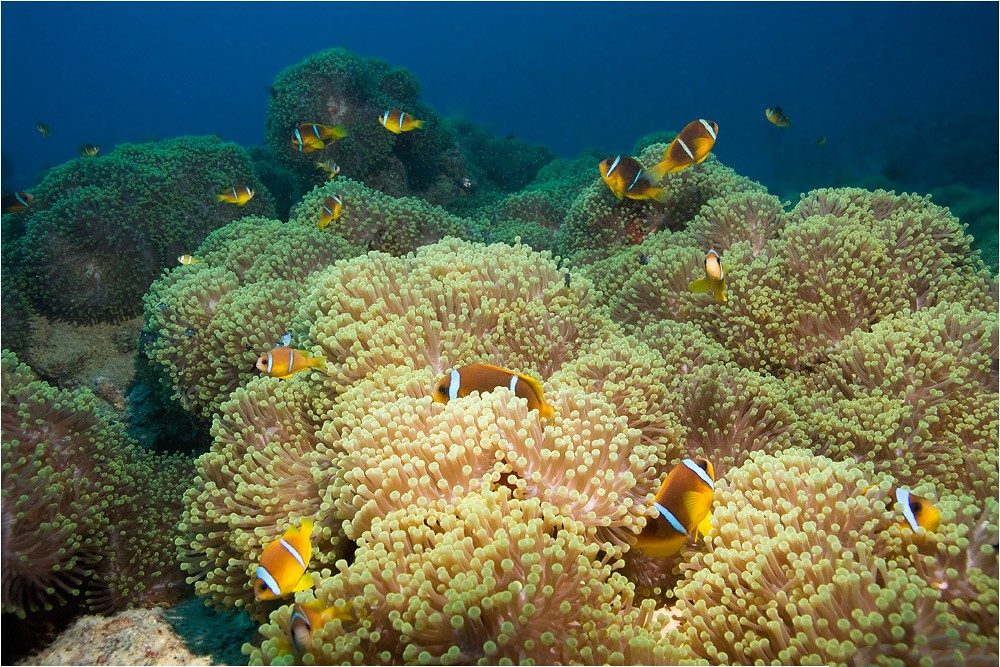
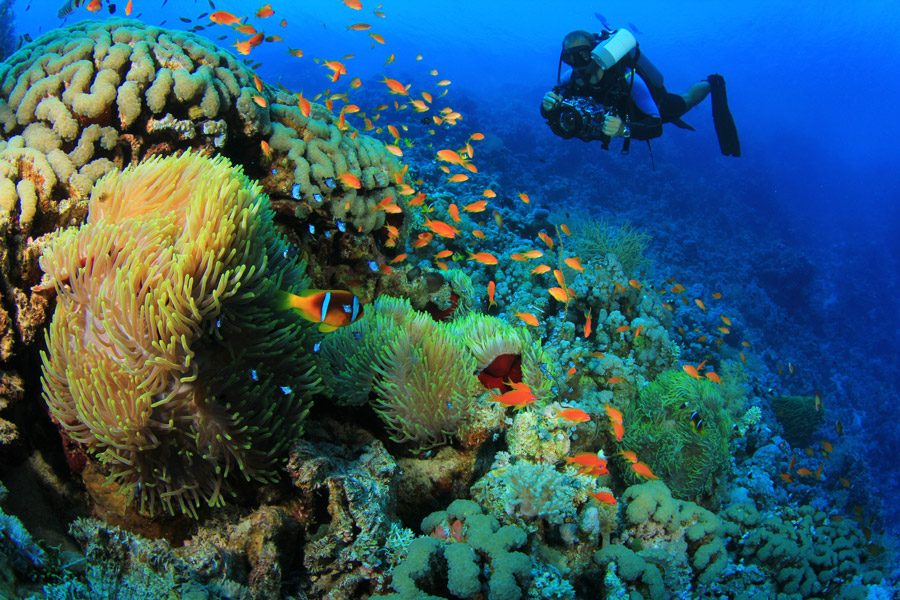
A dense concentration of anemones thriving in the current at the plateau edge.
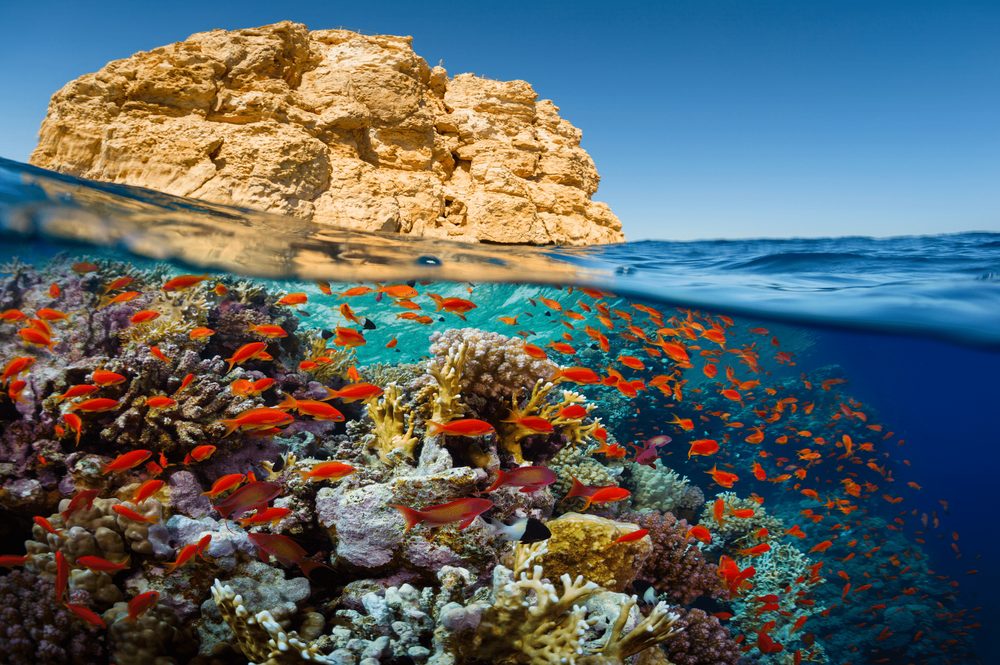
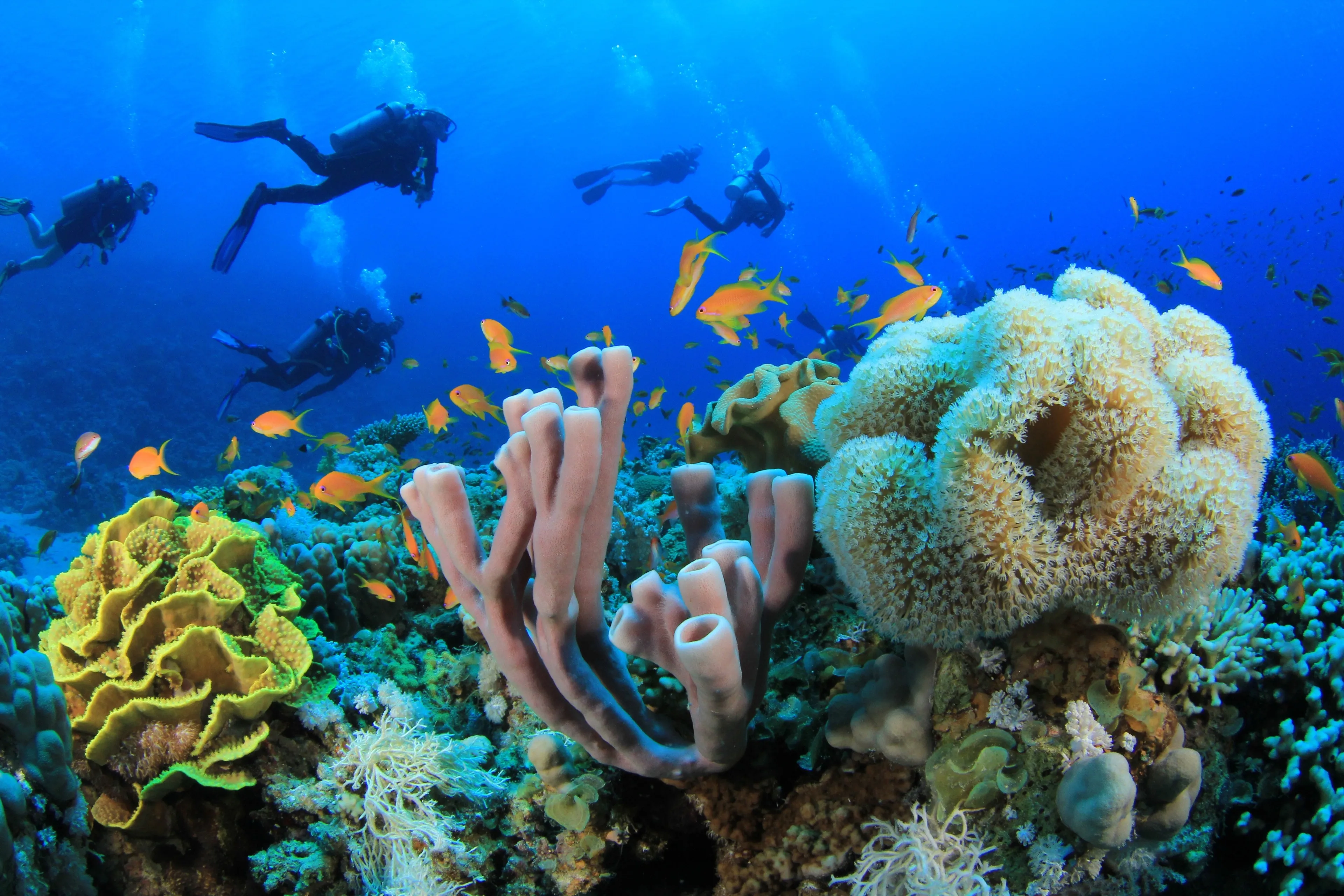
A massive shelf that transitions into the deep drop-offs of the Red Sea.
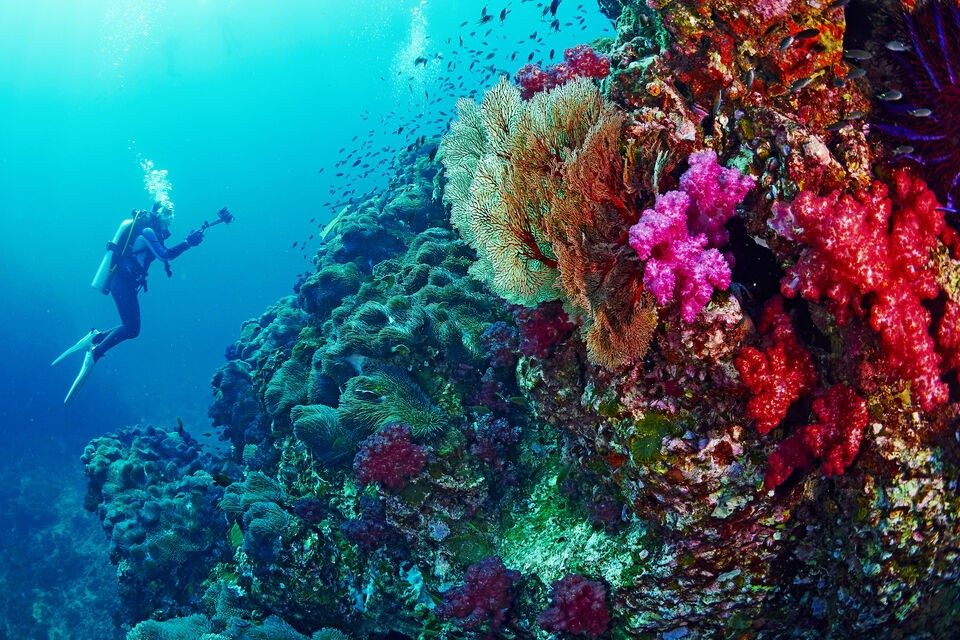
Intricate coral formations that provide structural complexity for technical decompression stops.
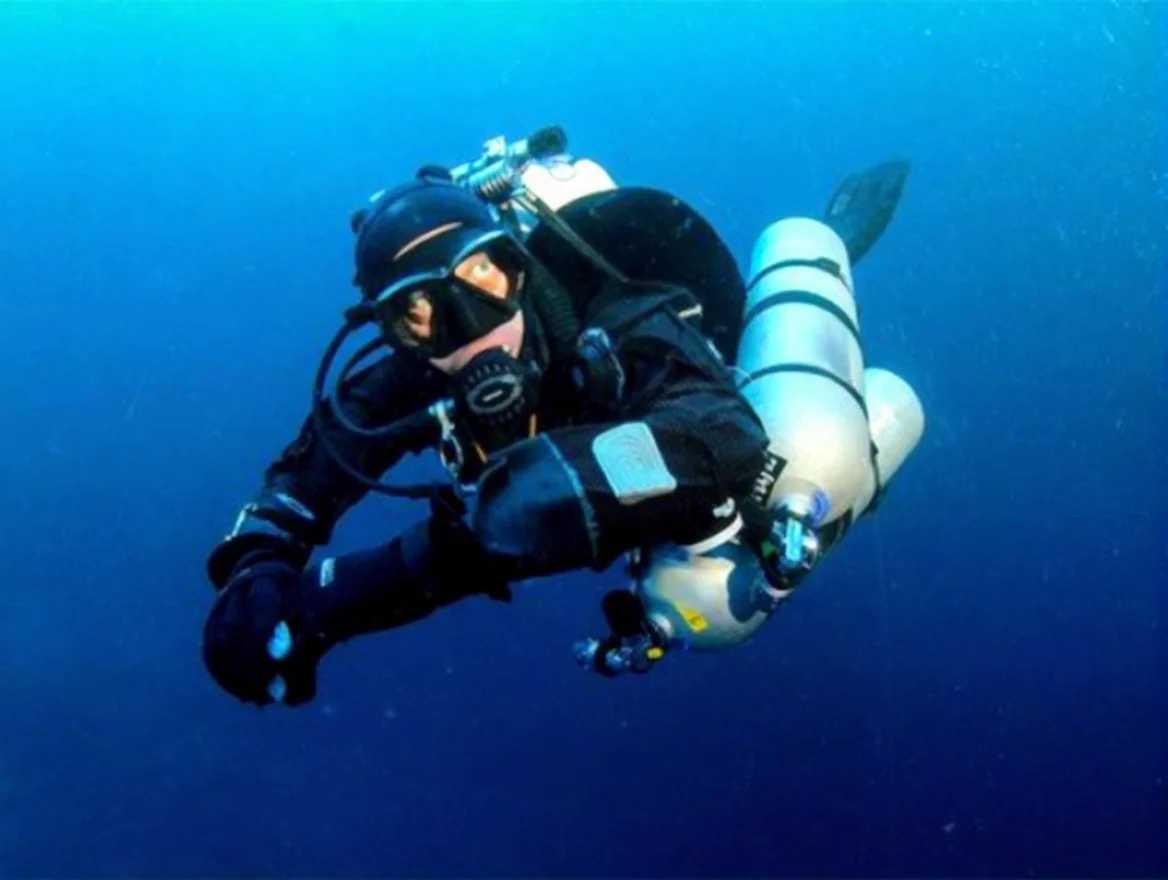
You board the dive boat at 07:00, cylinders already rigged with twin back-mounted tanks and a stage bottle clipped to your harness. The crossing to Ras Mohammed takes 40 minutes, long enough to review decompression tables and confirm gas switches with your buddy.
You roll backward into 24-degree water, descend the shot line, and reach the reef wall at 18 metres. The wall drops vertically into darker blue. You follow it down, watching your computer as 25 metres becomes 35, then 45. At 52 metres, you pause on a ledge where the current slackens. A grey reef shark glides past, and you check your bottom time: six minutes remain before you must begin the ascent.
The swim back up the wall is slower. You stop at 21 metres and clip onto the decompression line, breathing from your stage bottle now. Four minutes pass. You ascend to 12 metres for another stop, then 9, then 6. The final six-metre stop lasts 12 minutes, long enough to watch jacks hunt in the shallows above. When your computer clears, you surface, hand up your cylinders, and climb the ladder. The entire dive lasted 68 minutes; 25 of those were spent hanging motionless on the line.
All the details about your upcoming adventure in one place
The SS Thistlegorm sits at 30 metres on the sandy floor of Sha'ab Ali, but its engine room — the prize for technical divers — lies another 15 metres down through narrow companionways where recreational limits no longer apply.
Sharm El Sheikh technical diving grants access to Red Sea sites that remain invisible to open-water certification holders: the Dunraven's bow section at 28 metres, the Carnatic's coal-filled cargo hold beyond 26 metres, and the sheer drop-offs of Ras Mohammed's southern walls, where pelagic hunters circle in the blue at 50 metres and deeper.
The South Sinai coastline became a wreck diving capital not by design but by geography. Shallow reefs claimed dozens of 19th and 20th-century vessels, and the same currents that made navigation treacherous now deliver nutrients that coat steel hulls in soft coral and anthias schools. Technical diving courses arrived in Sharm in the late 1990s, when nitrox and trimix certifications allowed divers to extend bottom time and manage nitrogen narcosis at depths where standard air becomes dangerously intoxicating. Today, the town's dive centres hold IANTD, TDI, and PADI Tec certifications, and their compressors can fill cylinders with helium-oxygen blends for dives past 40 metres.
Trimix diving removes the narcosis that clouds judgment below 30 metres, replacing some of the nitrogen in breathing gas with helium. The result is clear-headed penetration of the Thistlegorm's holds, where motorcycles and Bedford trucks rest in rows, or exploration of the Carnatic's split hull, where wooden ribs frame a seabed of coal and porcelain. Decompression stops — staged ascents where inert gases leave tissue slowly — become the longest part of these dives. A 25-minute dive to 55 metres may require 40 minutes of stops on the way up, hanging on a line at 21, 12, 9, and 6 metres while the body off-gasses.
Ras Mohammed National Park enforces a seven-euro conservation fee per diver per trip, paid at the dive centre before departure. Sites open at 07:00, and technical dive operators prefer morning departures when visibility exceeds 30 metres and thermoclines have not yet formed. The park's southern tip holds the Shark and Yolanda reefs, where walls plunge past recreational limits into open water patrolled by grey reef sharks and occasional hammerheads.
The engine room lies another 15 metres down through narrow companionways where recreational limits no longer apply.
Divers should wear appropriate swimwear and bring warm clothing for surface intervals. Respect local Sinai customs by covering up when off the dive vessel.
Divers must provide certification cards and logbooks for verification. Bags should be waterproof to protect gear during boat transit.
Underwater cameras and housing are permitted for certified divers. Ensure equipment is secured to prevent damage during sharm el sheikh technical diving maneuvers.
Technical diving is restricted to certified adults due to complexity and safety regulations. Families may join recreational trips if sites permit multi-level access.
Access to advanced sites requires physical fitness and specific technical certifications. Dive operators in the Red Sea evaluate mobility on a case-by-case basis.
Support vessels provide water and snacks during sharm el sheikh technical diving tours. Passengers may bring personal rehydration supplies, but alcohol is strictly prohibited before diving.
Opening Hours
07:00–17:00
Address
Ras Mohammed National Park, South Sinai, Egypt
Site Access
Boat-based technical diving entries
Best Window
07:00–10:00
Storage
Secure dry storage provided on support vessels
Taxi · 20-30 min · Variable
Direct transfer from Sharm el Sheikh hotels to the dive center
Car · 25 min · Fuel costs
Private vehicle parking available at the marina entrance
Cancellations made 48 hours prior to departure receive a full refund. Note that the 7 EUR National park conservation fee per person, per trip, paid at dive center is non-refundable.
Recommended time
Full day
For a successful sharm el sheikh technical diving experience, a full day allows for necessary decompression stops and optimal gas management. Early arrival between 07:00–10:00 is essential to ensure calmer waters and better visibility before the mid-day heat. You may find these sharm el sheikh technical diving tours require more time if you book complex nitrox or trimix configurations. Securing your sharm el sheikh technical diving tickets early in the morning helps avoid the peak surface intervals seen in more crowded Red Sea dive sites.
Crowd levels through the day
Weather · crowds · average price — dots go green to amber to red as each metric rises.
March to May offers stable temperatures and clear water for technical ventures.
June to August brings high heat but excellent visibility for deep water exploration.
September to November is ideal with moderate water temperatures around 26C.
December to February requires thick exposure suits as waters cool to 21C.
Always personally verify your gas mixture before entering the water. Relying solely on the dive boat crew can lead to critical planning errors.
Use a redundant dive computer to track decompression obligations. The deep profiles common in sharm el sheikh technical diving demand strict adherence to limits.
Sharm el Sheikh's transformation into a technical diving epicenter began in the 1980s, when Israeli dive operators discovered the verticality of Ras Mohammed's walls and the wreck of the SS Thistlegorm in the Straits of Gubal. The Thistlegorm, a British merchant vessel sunk by German bombers in October 1941, rests at 30 meters and became the Red Sea's most famous deep dive after Jacques Cousteau located it in 1956. When Sinai returned to Egyptian sovereignty in 1982, a handful of European expatriates established rudimentary dive centers in Naama Bay, offering single-tank recreational trips. Technical diving infrastructure arrived in the mid-1990s as trimix blending stations and rebreather support became available, unlocking access to the Dunraven wreck at 28 meters and the Salem Express at 32 meters. The September 1991 sinking of the Salem Express ferry near Safaga, with over 450 casualties, created a controversial dive site that drew technical divers seeking deeper penetration training. By 1998, Sharm el Sheikh technical diving tours included staged decompression profiles on the Rosalie Moller, a coal transporter torpedoed in 1941 that sits at 50 meters. The 2004 Dahab Blue Hole fatalities—16 deaths between 1997 and 2010—prompted Egypt's Chamber of Diving and Watersports to mandate trimix certification for dives beyond 40 meters in 2005. Ras Mohammed National Park, established in 1983 and expanded in 1992, introduced a 7 EUR conservation fee per person per dive trip in 2010 to fund mooring buoys and patrol vessels. Today sharm el sheikh technical diving operates under strict protocols enforced by the South Sinai Dive Association. The Thistlegorm requires advanced nitrox certification and surface marker buoys due to heavy shipping traffic. Rebreather diving has grown since 2015, particularly on the deep northern wrecks. The park opens daily from 07:00 to 17:00, with optimal visibility between April and November when water temperatures reach 26-28°C and thermoclines stabilize below 30 meters.
SS Thistlegorm sunk by Luftwaffe bombers in October, settling upright at 30 meters in Sha'ab Ali.
Jacques Cousteau's Calypso expedition rediscovers the Thistlegorm, filming its cargo holds for documentary purposes.
Sinai returns to Egypt; first civilian dive operators establish bases in Naama Bay with compressor equipment.
Salem Express ferry sinks near Safaga in September, killing over 450 passengers and crew.
Trimix blending facilities installed in Sharm; technical dive centers begin offering staged decompression training on deep wrecks.
Egyptian Chamber of Diving mandates trimix certification for dives exceeding 40 meters following Blue Hole fatalities.
Ras Mohammed National Park institutes 7 EUR per-person conservation fee; mooring buoys installed at Thistlegorm and Shark Reef sites.
Closed-circuit rebreather adoption accelerates; technical diving tickets now include mandatory dive computer and SMB checks.
Position yourself at the edge of the drop-off to capture the scattered cargo of the Yolanda wreck against the deep blue backdrop. This location is a staple for those participating in sharm el sheikh technical diving to document the transition between the reef and the abyss.
Follow the vertical cliff face adorned with soft corals and gorgonian fans, perfect for wide-angle shots of schooling pelagic fish. This site offers challenging lighting conditions that reward the specialized equipment used on sharm el sheikh technical diving tours.
Focus your lens on the dense clusters of anemones covering the upper slope, providing a colorful foreground for divers passing through the current. It is a preferred vantage point for photographers booking a sharm el sheikh technical diving tour to capture biodiversity.
Capture the dramatic scale of the reef plummeting into the darkness, emphasizing the diver's silhouette against the expansive Red Sea topography. This is an ideal spot to utilize high-end lighting rigs often seen with sharm el sheikh technical diving tickets.
Exploring the vibrant marine life through sharm el sheikh technical diving offers a rewarding adventure, though it is best suited for families with older children who are comfortable in the water. While the technical aspects focus on advanced exploration, the surrounding national park provides a welcoming environment for younger family members to enjoy snorkeling and boat-based relaxation.
Most operators welcome children aboard during daily boat trips, though age requirements typically start at 8 years old for safety and supervision purposes. Ensure you confirm child-specific policies with your selected dive center before booking your sharm el sheikh technical diving tour.
For families, children must remain under constant adult supervision while on deck. If both parents are participating in a sharm el sheikh technical diving excursion, arrange for a non-diving adult to accompany any younger children on the boat.
Professional dive centers provide a full range of gear, including smaller sizes for kids, so you do not need to bring your own. Most operators offering sharm el sheikh technical diving tickets can facilitate rental equipment for snorkeling or introductory dives tailored to your child's size.
Early arrival between 07:00 and 10:00 ensures the calmest waters and best visibility, making the day more enjoyable for children. Frequent stops for snorkeling and lunch provide plenty of flexibility for families to enjoy the boat trip at a manageable pace.
Dining options are concentrated in the port area and Naama Bay, ideal for recovery after sharm el sheikh technical diving. Divers often prefer protein-rich meals at these accessible venues rather than relying on on-site facilities within the park.
Located in Naama Bay, this spot serves international cuisine and refreshing smoothies. It is a popular choice for post-dive debriefs among those booked on sharm el sheikh technical diving tours.
Positioned near the marina, this restaurant offers fresh seafood and light salads suitable for post-decompression nutrition. Secure your sharm el sheikh technical diving tickets for a morning trip to enjoy lunch here during the afternoon.
A local favorite for fresh catches prepared to order, perfect for replenishing energy. It serves as a casual recovery hub for participants of a sharm el sheikh technical diving tour.
Everything you need to know for your journey
The site is open 07:00–17:00 daily.
Yes, a 7 EUR National park conservation fee per person, per trip, paid at dive center is required.
No, sharm el sheikh technical diving requires advanced certifications and experience.
We recommend arriving between 07:00–10:00 for the best conditions.
Yes, photography is permitted for certified divers during the tour.
You may bring snacks, though vessels provide basic provisions during your sharm el sheikh technical diving tour.
Cancellations are managed according to the 48-hour policy; conservation fees are non-refundable.
It is located at Ras Mohammed National Park, South Sinai, Egypt.
Yes, this fee is a standard requirement for all visitors at this Red Sea landmark.
Famous for the cargo wreckage scattered at depth.
Vertical wall teeming with pelagic life.
Educational exhibits regarding local marine conservation.
High-end amenities for post-dive relaxation.
Convenient access to city dive centers.
Central hub for various accommodation types.
Join thousands of happy travelers who have discovered this incredible experience
Book Your Experience Now